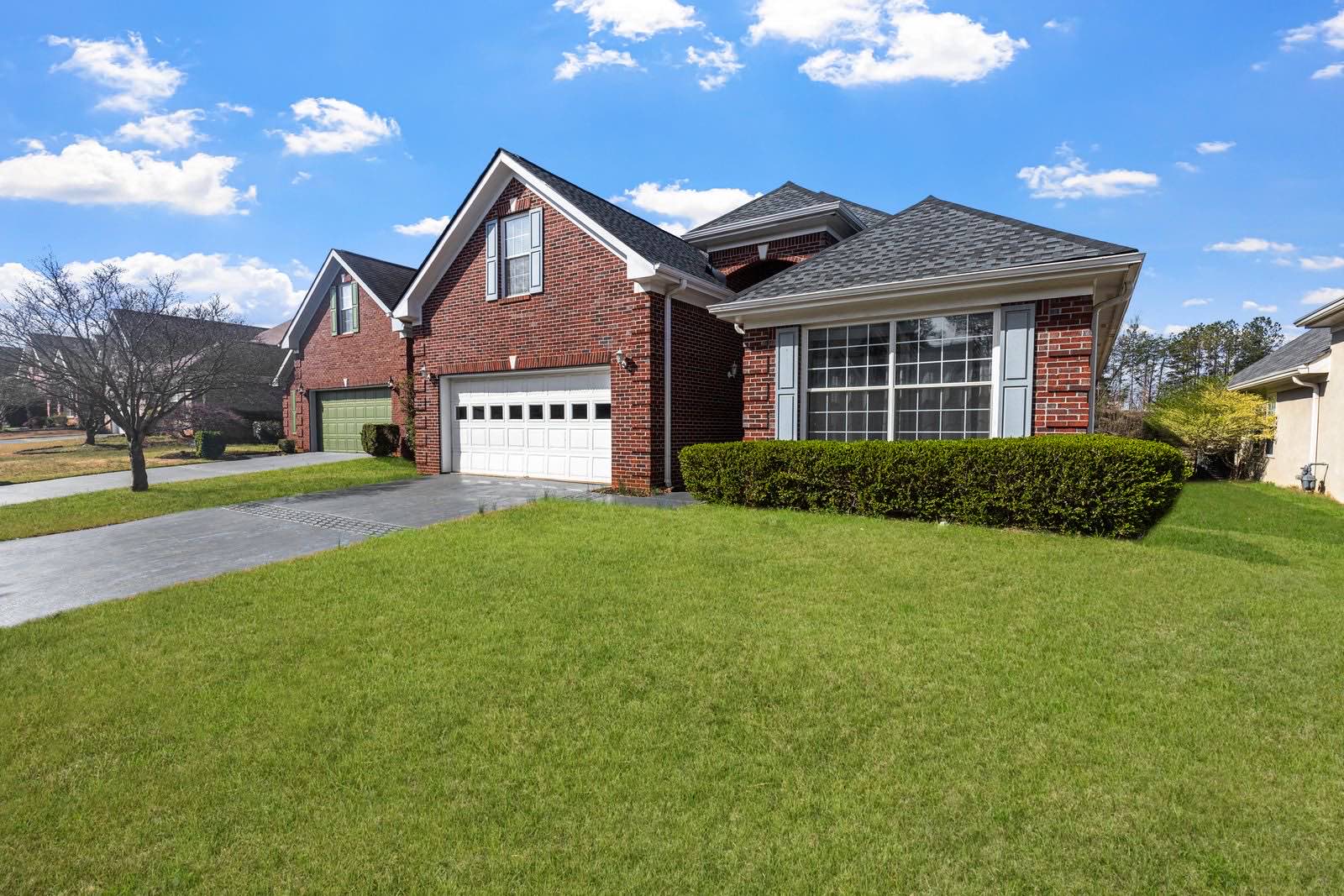
Should you get a home inspection before listing your existing home in Edmond?
Should you get a home inspection before listing your existing home in Edmond? Often yes, especially if your home is older or you are unsure about the roof, foundation or major systems, because it lets you fix, price or disclose a problem on your terms instead of in the middle of a deal. It is not automatic, and it comes with one real trade-off that most sellers never hear about.
Mark Osterman is a REALTOR® with The Agency Oklahoma in Edmond, helping move-up sellers and buyers decide with real numbers. At The Osterman Team, we talk through this with almost every seller who owns a home with some age on it. Here is how I think about it.
What is a pre-listing inspection?
It is a home inspection you order before you put the house on the market. You hire a licensed inspector, and in Oklahoma home inspectors are licensed through the Construction Industries Board, so you can ask to see the license. They look at the same things a buyer's inspector would: roof, foundation, electrical, plumbing, heating and cooling, and more.
A buyer will usually still order their own inspection after they go under contract. Yours does not replace it. What yours does is let you see the same problems first.
What do you gain from a pre-listing inspection?
- No surprises with your price on the line. Once you accept an offer, a buyer's inspection can reopen the negotiation. If you already know, there is less to reopen.
- Time. You can get repair quotes and compare contractors instead of rushing in a short window.
- A price that fits the house. If the roof needs work, we price it in from day one instead of discovering it later.
- A real answer on the mechanicals. The seller's property condition disclosure is a general statement of what you know. It does not tell a buyer the condition of the heating and cooling, plumbing, electrical or foundation. A licensed inspector does, so the report fills the gap the form leaves.
- An accurate disclosure. You fill out the seller's form with the facts in hand.
- A calmer negotiation. A buyer who sees you have already dealt with the big items has less to argue about.
What is the trade-off?
Once you have the report, you know. Oklahoma's seller disclosure law asks you to state what you actually know about the condition of the property, and the form has to be delivered before you accept an offer. It does not ask you to hire anyone to go looking, and it does not report on the condition of the mechanicals, plumbing, electrical or foundation. That is the reason I push sellers toward an inspection. So today you can answer for what you know. After the report, you know more, and the form has to reflect it. You can read the Residential Property Condition Disclosure Act on the Oklahoma Real Estate Commission's site.
That is not a reason to skip the inspection. A buyer who finds a problem you knew about is a bigger risk than one who reads it in your disclosure. But you should go in knowing it. I am not an attorney, so if you have a legal question about what you have to disclose, talk to one.
The other trade-offs are smaller. You pay the fee up front, and a long report can make you feel like you have to fix everything. You do not.
When is a pre-listing inspection most worth it?
- Older homes. That includes mid-century houses, where original systems can be a selling point or a surprise. I wrote about weighing original features in is an original kitchen a problem when you buy an older Edmond home.
- Homes you have not lived in long, or inherited ones, where you do not know the history.
- Signs of foundation movement such as cracks, doors that stick or gaps at trim. Much of central Oklahoma has clay soil that swells and shrinks with moisture, and that can move a foundation.
- A roof with hail history or an age you cannot name.
- Acreage with a septic system or a well. Those often need their own specialist, and I cover the buyer side in our acreage guide.
It may matter less on a newer home in good shape with records. In that case a targeted inspection of one thing, such as the roof, the sewer line or the heating and cooling system, may be enough.
What is the step-by-step process?
- Walk the house with me first. Before you spend anything, I will tell you what a buyer's inspector is likely to flag.
- Decide the scope. A full inspection, plus any specialist, such as a foundation engineer or a sewer scope, if something calls for it.
- Hire a licensed inspector. Get two or three quotes, ask for the license number and a sample report, and find out if you can walk through with them.
- Read the report together. We sort every item into three piles: fix before listing, price or disclose, and leave alone. Cosmetic items and normal wear usually go in the third pile.
- Price the fixes. Get quotes. Some repairs pay for themselves and some are cheaper to handle as a credit.
- Complete the disclosure with the report in hand. Keep receipts and permits for anything you repair.
- List at a price that reflects what we know.
What mistakes do sellers make?
- Fixing everything on the report. Buyers do not care about a loose cabinet hinge. They care about the roof, the foundation and the systems.
- Leaving a known item off the disclosure. It will come out, and it will cost more then.
- Hiring an unlicensed inspector because they are a friend or cheaper.
- Waiting until the listing is live. Once the house is on the market, the clock is running.
- Expecting the report to replace the buyer's inspection. It will not.
If you are also deciding how to prep the house, I cover that in why not every home should be white and neutral before selling.
What does this look like in practice?
Picture a seller in an Edmond home built in the 1990s. The report finds a worn section of roof and a slow leak under a bathroom sink. The seller fixes the leak for very little, gets two roofing quotes and decides to price the roof into the listing instead of replacing it. The disclosure says what the report said.
When an offer comes in and the buyer's inspector finds the same roof, there is nothing new to negotiate. The conversation is about the price we already discussed.
Frequently asked questions
Do I have to give the buyer my inspection report?
I am not an attorney, so I will not answer that for you. What you must disclose is what you know. How and whether to share the report is something we decide together with your broker, and an attorney if you want one.
Will the buyer still get an inspection?
Almost always. Yours helps you prepare. It does not take theirs away.
How much does it cost?
It depends on the size and age of the house and what you add. Get two or three quotes from licensed inspectors.
Will a report hurt my sale price?
The problems are there whether or not you look. The report lets you decide how to handle them before anyone else does.
Do I have to fix everything it finds?
No. You choose what to fix, what to price in and what to leave alone.
I am selling as-is. Should I still inspect?
It still helps with pricing and with the disclosure form, even if you do not plan to repair anything.
Next step
If you own an Edmond home and you are not sure what a buyer's inspector would find, start with a home value check and I will walk the house with you. You can also read how we sell homes.
If you are thinking about a move in Edmond, Deer Creek or the greater Oklahoma City area, talk to Mark and Kelli. Call the team line at (405) 593-TEAM (8326) or reach Mark directly at (405) 818-9670. We will sit down, talk through what you need, and give you real numbers, with no pressure.