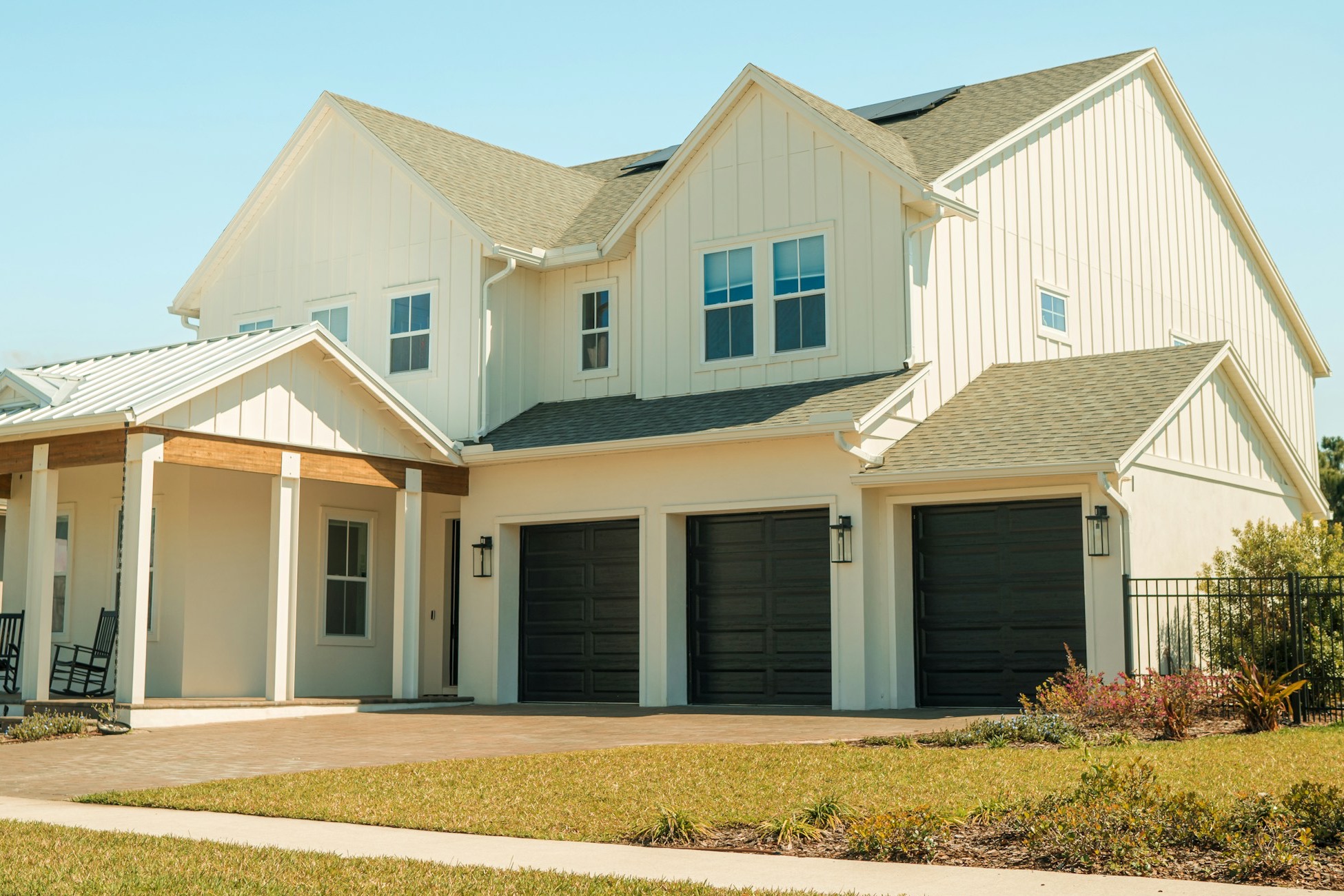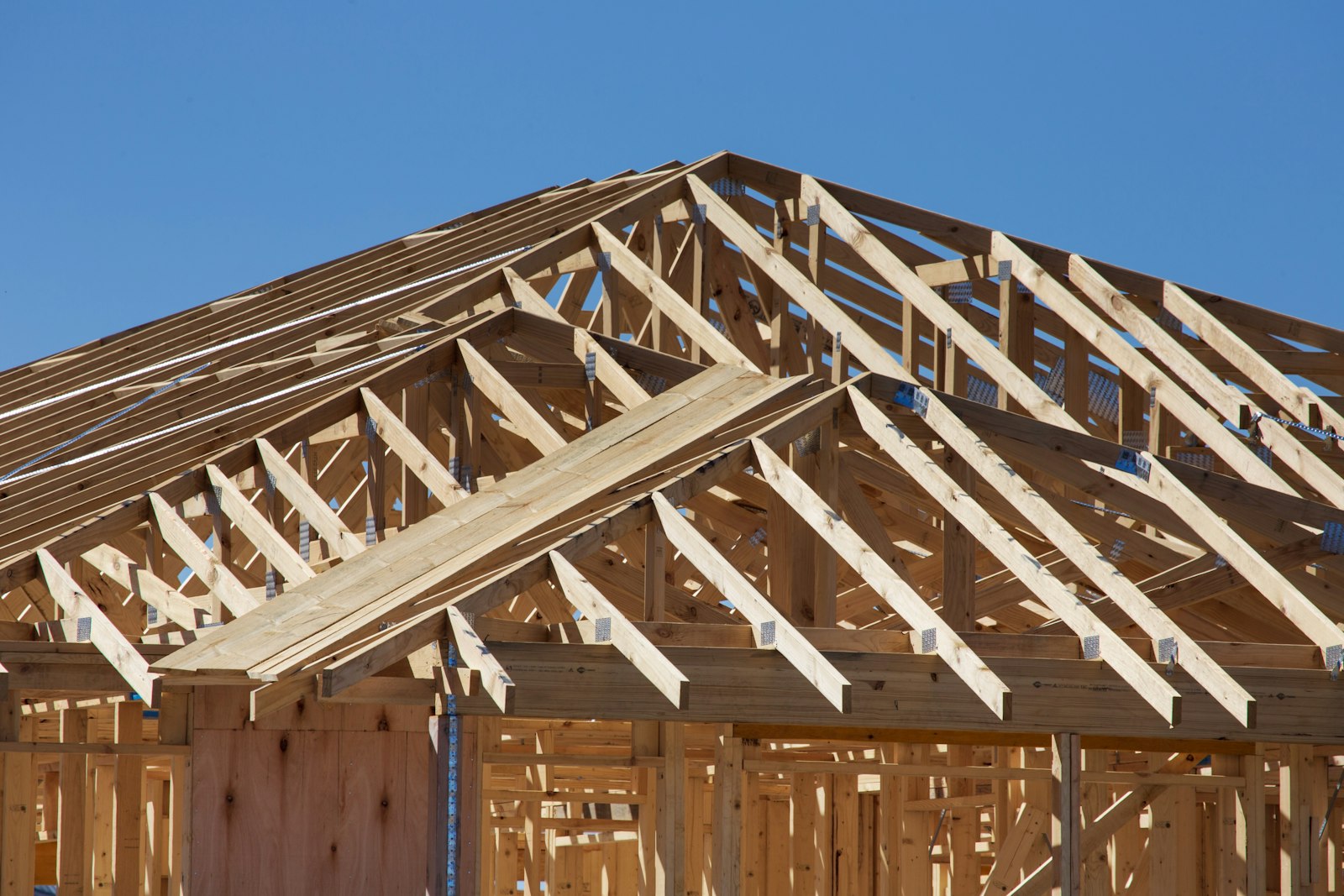
Why You Might Consider New Construction in Edmond, Oklahoma
Why might you consider new construction in Edmond, Oklahoma? Because today's building standards are much higher than the ones used 75 years ago. A new home is built to the codes and equipment rules in force right now, and a house from the 1950s was built to whatever was required then, which was often very little. Mark Osterman is a REALTOR® in Edmond, Oklahoma helping homeowners and buyers decide with real numbers, and I have sold new construction for 17 years, so I have walked through a lot of homes at every stage of the build.
At The Osterman Team, my job is not to talk you into a house. It is to help you understand what you are buying. This post compares five systems side by side: heating and cooling, plumbing, electrical, drainage and windows. I will also tell you what new construction does not fix.
What is the standard today, and how does it compare?
Oklahoma sets a statewide minimum for residential construction. According to the Oklahoma Uniform Building Code Commission, the 2018 International Residential Code and the 2020 National Electrical Code took effect on September 14, 2022. Those are the minimums for new homes. Cities can add to them, and a good builder often builds beyond them.
A home built 75 years ago, around 1950, was built before most of those rules existed. It may have been updated since, and some of the best older homes in Edmond have been. But when an older home has not been touched, you are living with the standard of its day. The five comparisons below show where the gap is largest.
How is the heating and cooling different?
Efficiency for central air is measured with a SEER rating. Higher is more efficient. The federal minimum for central air conditioners was 10 SEER for units made from 1992 until 2006, then moved to 13. The rules changed again with a new test called SEER2.
According to the Department of Energy's guidance, split-system air conditioners installed in the Southeast region on or after January 1, 2023 must meet the regional minimum. Oklahoma is in that region. For most residential split systems under 45,000 BTU, that minimum is 14.3 SEER2, which manufacturers describe as roughly equal to 15 on the old scale. That is the legal floor, not a target. Many builders install units rated higher than the minimum, and some are well above it, so ask what is actually going in. A new Edmond home has to be built with equipment that meets that bar. A unit from the 1990s is working to a much lower one, and a home from 1950 may have had air conditioning added decades after it was built.
What does that mean for you? A more efficient system generally uses less electricity to do the same cooling. I will not promise you a specific savings number, because it depends on the house, the ducts and how you live in it. Ask the builder for the model and the SEER2 rating of the actual unit going in your home.
How are the plumbing lines different?
Many homes from the 1950s were plumbed with galvanized steel supply lines and cast iron drains. Both can last a long time, but galvanized pipe corrodes from the inside, which shows up as low water pressure and discolored water. Plumbers commonly recommend a close look at galvanized and cast iron lines in homes built before the 1960s.
New homes use modern materials. Galvanized steel is no longer used for new residential supply lines. Most new homes are plumbed with PEX or copper for supply and PVC for drains. These materials do not rust, and they are cheaper to repair if something goes wrong.
If you are buying an older home, a camera inspection of the main sewer line is a smart add-on to the general inspection. In a new build, ask what pipe is going in and who warranties it.
How is the electrical different?
This is where the gap is easiest to see. Electrical safety rules have been added in layers. Ground-fault protection, the outlets that shut off power quickly when current leaks, first appeared in the National Electrical Code for bathrooms in 1975 and for garages in 1978. Arc-fault protection, which guards against the kind of damaged wiring that can start fires, arrived for bedrooms in the 1999 code. A house built in 1950 predates all of it.
The code Oklahoma uses today carries far more of this protection than either of those early rules, in more rooms. A new home also has a modern panel and enough circuits for how we live now, with a lot of electronics and sometimes an electric vehicle.
Older homes are not unsafe by default. Many have been rewired. But if you see two-prong outlets, a small or fuse-based panel, or cloth-covered wiring, bring in a licensed electrician before you buy.
How are drainage and moisture protection different?
Water is the thing that quietly damages a house. Many cities require a grading and drainage plan before a builder can start on a new lot, so the ground is shaped to move water away from the foundation. Requirements differ by city and county, so ask the builder to show you the plan for your lot, and confirm the requirements with the city the lot sits in.
Older neighborhoods were laid out before today's stormwater rules. Some lots drain well. Some do not, and you will not learn which from a sunny-day showing. If you are looking at an older home, go back after a heavy rain and look at where the water goes. Check the foundation, the crawl space or slab edges, and the yard for pooling.
There is also a layer inside the walls that most homes from 75 years ago did not have. Before the siding goes on, builders wrap the sheathing in a water-resistive barrier, and a common one is DuPont Tyvek house wrap. It is a continuous sheet made to let water vapor escape from inside the wall so the framing can dry out, while keeping liquid water and wind-driven air from getting in. DuPont also makes a reflective version, Tyvek ThermaWrap LE, with a low-emissivity surface designed to reflect radiant heat. The energy claims for that one come from the manufacturer, so ask what it is rated for. Many older homes had asphalt felt paper behind the siding, or nothing at all, depending on the era and any later siding work. Current code calls for a water-resistive barrier behind exterior siding, but not every builder uses Tyvek. Some use other brands or other approved barriers, and the quality of the work varies from one crew to the next. How well the seams, windows and doors are taped and flashed matters as much as the product name. Ask your builder which barrier is going on your home, who installs it, and whether your inspector can see it before the siding covers it.
Some builders skip house wrap and use ZIP System sheathing instead, the green structural panels from Huber Engineered Woods. The water-resistive barrier is bonded to the panel at the factory, so there is no separate wrap to tear or flap in the wind. The crew then seals every panel seam with ZIP tape and uses flashing tape or liquid flashing around windows and other openings. According to Huber's fact sheet, once the seams are taped the wall works as both a water-resistive barrier and an air barrier. There is also an R-sheathing version with a layer of foam insulation bonded to the panel. As with house wrap, the system is only as good as the taping, so ask whether the seams and fastener heads were sealed and whether your inspector can look before the siding goes on. The comparisons to house wrap come from the manufacturer. Not every builder uses ZIP either, so ask which system is going on your home, and do not assume one name means a better build than the other.
How are the windows different?
Window efficiency is measured by U-factor. A lower number means the window holds heat or cold better. According to industry figures, a typical single-pane window falls somewhere between 0.70 and 1.20. A double-pane window with a low-E coating and argon gas typically lands between 0.20 and 0.30. That is a big difference, and you can feel it standing next to a window in July or January.
Single-pane windows are common in homes from 75 years ago, unless someone has replaced them. New homes come with energy-rated double-pane windows. If you are buying an older home, ask whether the windows are original. Replacing a whole house of them is a real expense, so it belongs in your budget before you make an offer.
Can builders help with the interest rate and closing costs?
Often, yes, and it is one more reason new construction is worth a look right now. Many builders offer incentives such as a lower interest rate through a buydown, help with closing costs, or both. A buydown means money is paid up front to lower the rate, either for the first few years or for the life of the loan.
An existing homeowner selling a home has a hard time matching that. A seller has to pay off a mortgage, cover their own costs of selling and fund their next purchase, so there is usually less room to spare. Builders sell many homes and can build an incentive into the program. That is not true of every builder or every month, and the terms change, so treat it as something to ask about, not something to count on.
Here is how I would handle it. Ask what incentives are offered today, and get them in writing. Ask whether they require using a specific lender, and what the rate and fees are with that lender compared with one you pick yourself. You are free to use any lender you like, and I can help you compare the numbers side by side. Then look at the whole deal, because an incentive can sit alongside a higher price, so compare the final price and the monthly payment, not just the offer. Our post on builders cutting prices in Edmond goes deeper, and the pre-approval page is the place to start with a lender.
What does new construction not fix?
It does not fix everything, and I would not be doing my job if I told you otherwise.
- Code is a minimum, not a grade. A home can meet code and still be built with shortcuts you cannot see after the drywall goes up.
- New homes need inspections too. Hire your own inspector. Ask about inspections during the build, not just at the end.
- The builder's sales rep works for the builder. I explain this in why you should have your own agent on a new build.
- Some older homes are built better than some new ones. Solid wood, plaster, real masonry and a good floor plan hold up. If an older home has had its systems updated, it can be a great buy.
- New costs more in some places and less in others. Lot premiums and upgrades add up fast. See how to avoid overpaying for lot premiums and upgrades.
What should I ask before I buy a new build in Edmond?
- What is the model and SEER2 rating of the HVAC system going in this home?
- What material is used for the water supply lines and for the drains?
- What amp is the electrical service, and where are the GFCI and arc-fault protections?
- Can I see the grading and drainage plan for this lot?
- What are the window ratings, and what does the warranty cover and for how long?
- Can my own inspector walk the home during the build?
Write the answers down. A builder who answers quickly and puts it in writing is a good sign. Our new construction buyer page and the new construction homes page cover the rest of the process.
Frequently asked questions
Are new homes in Edmond built to a higher standard than older homes?
New homes must meet the codes in force when they are permitted. In Oklahoma, that includes the 2018 International Residential Code and the 2020 National Electrical Code, which took effect on September 14, 2022. Older homes were built to the rules of their day.
What is the SEER2 requirement in Oklahoma?
For most split-system central air conditioners under 45,000 BTU installed on or after January 1, 2023, the Southeast region minimum, which includes Oklahoma, is 14.3 SEER2.
Is a home built 75 years ago a bad buy?
No. Many are well built and have been updated. The question is which systems have been replaced and which have not, so have the home inspected and ask for specialists where needed.
Will a new home lower my utility bills?
Often it helps, because the equipment and windows are more efficient. Your actual bills depend on the home's size, the ducts and how you use it, so I do not promise a number.
Do I need my own inspector on a new build?
Yes. Code inspectors check for minimums. Your inspector works for you.
This post is general information, not engineering, legal or code-compliance advice. Requirements vary by city and county, and equipment ratings vary by model. Confirm details with the builder and the city.
Next step
If you are thinking about a move in Edmond, Deer Creek or the greater Oklahoma City area, talk to Mark and Kelli. Call the team line at (405) 593-TEAM (8326) or reach Mark directly at (405) 818-9670. We will sit down, talk through what you need, and show you what fits, with no pressure.